
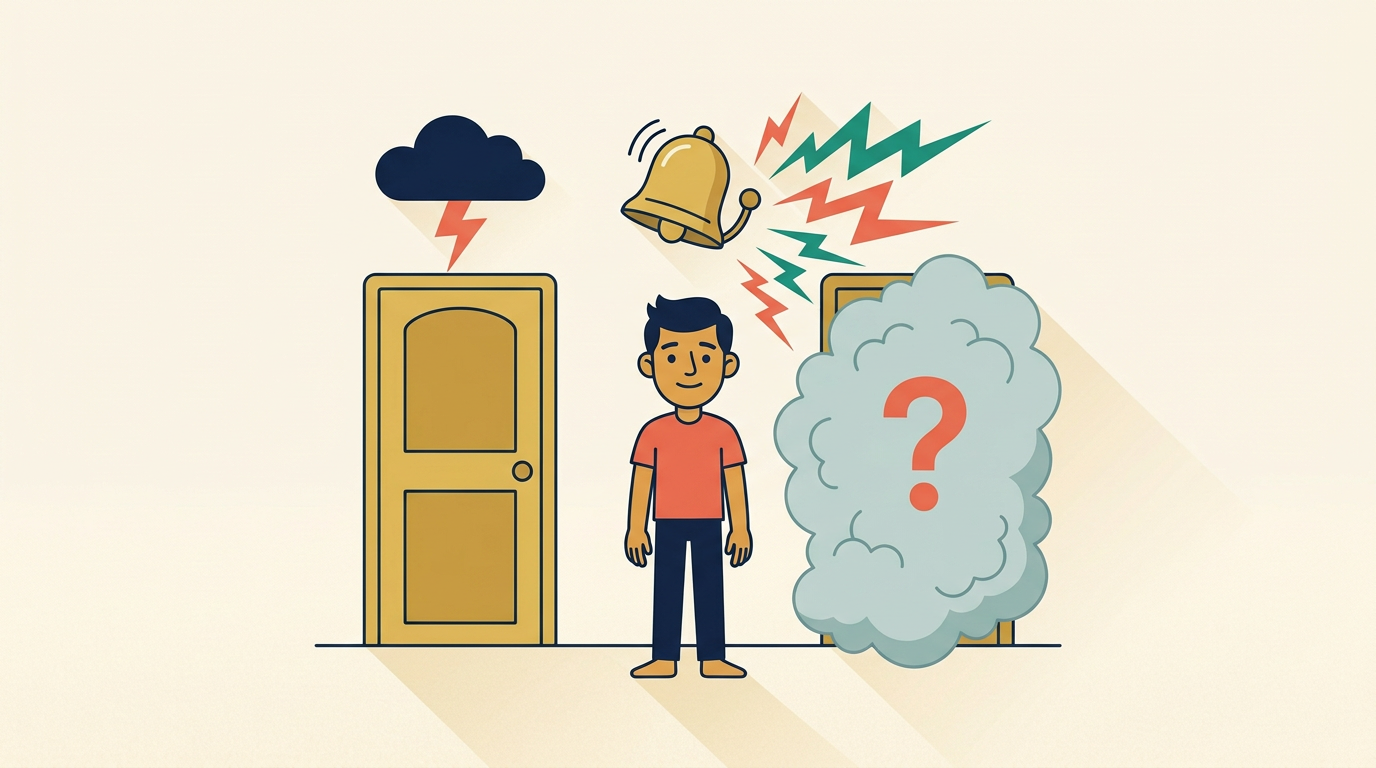
Your brain doesn’t fear change. It fears the not-knowing hiding inside the change, and that one small difference explains almost every hesitation you’ve ever felt.

Most people think the brain hates bad news. It doesn’t, not really. What it truly can’t handle is not knowing what comes next. Your brain is always trying to guess the future. Every moment, it predicts what will happen, then quietly checks whether it was right. When it can’t predict, it doesn’t calmly wait for more information. It sounds the same alarm it would sound if you were in real danger. That’s why a vague email from your boss can shake you more than a clearly angry one. It’s the not-knowing that hurts.
Two job offers, one strange choice
Imagine two job offers land on your desk.
- The first pays a bit less, but everything is clear: the team, the hours, the work.
- The second pays more, but the role is fuzzy and the team has had three leaders in two years.

Most people, even very ambitious ones, pick the first offer. And notice why: they’re not worried about money. They’re worried about the unknown. The brain treats the unclear job as a low, steady worry that runs all day, every day. Over a year, that quiet worry outweighs the extra salary. The choice feels smart and safe. But really, it’s the fear center of the brain making the call.
What’s happening inside your head
Your brain builds a picture of what should happen next, and it only updates that picture when real life disagrees. Not-knowing is simply that moment when life hasn’t given an answer yet. And your brain finds that moment very uncomfortable.
what happens next
checks the guess
the picture
No answer yet? The brain sounds the same alarm it would sound for real danger.
Here’s the order it happens in:
- Something unclear shows up.
- The brain’s alarm system fires before the thinking part of the brain even wakes up.
- You feel the anxiety in your body first, and only understand why later.
That’s why the worry hits you before you can explain it.

Some people feel this more than others. Studies show that how well you handle not-knowing is a steady trait, like a scale. People on the high end avoid starting projects, avoid sending hard messages, and avoid any choice with an unclear result, even when the odds are clearly in their favor.
Economists noticed this long ago too. Back in 1961, a researcher named Daniel Ellsberg showed that people prefer a known risk over an unknown one, even when the known one is actually the worse bet. A familiar pain feels safer than a strange one.

And this tiredness is not a weakness in your character. It’s physical. Your brain burns more fuel when it has to guess under unclear conditions. That’s why a day of vague, open-ended work drains you more than a day of packed, busy work. The busy day lets your brain rest. The unclear day never does.

The good news
You can train yourself to handle not-knowing better, and the practice is smaller than you think.
- Notice when you’re avoiding something, not because the result is bad, but because it’s unclear.
- Name the feeling out loud: this is not-knowing, not danger. Putting a feeling into words actually calms the brain’s alarm system.
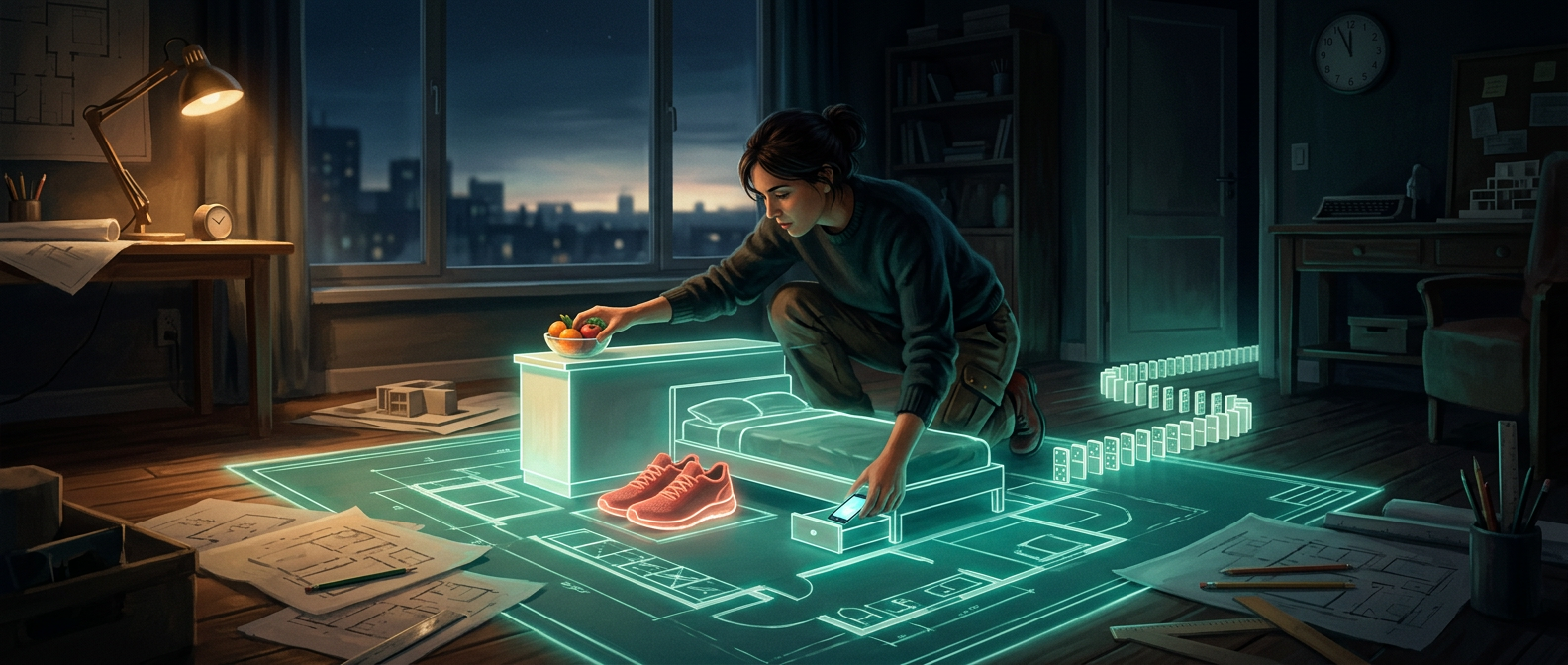
- Take the smallest safe step you can, one that turns a single unknown into a known. Don’t try to solve everything at once. Just clear one small thing. The rest of the fog usually lifts on its own once you’re moving.

This also explains why we delay things, far better than laziness ever could. When you put off a task, you’re usually not avoiding the work. You’re avoiding the moment the result becomes known. Leaving it unfinished means leaving it possible. Finishing it means risking a real answer.
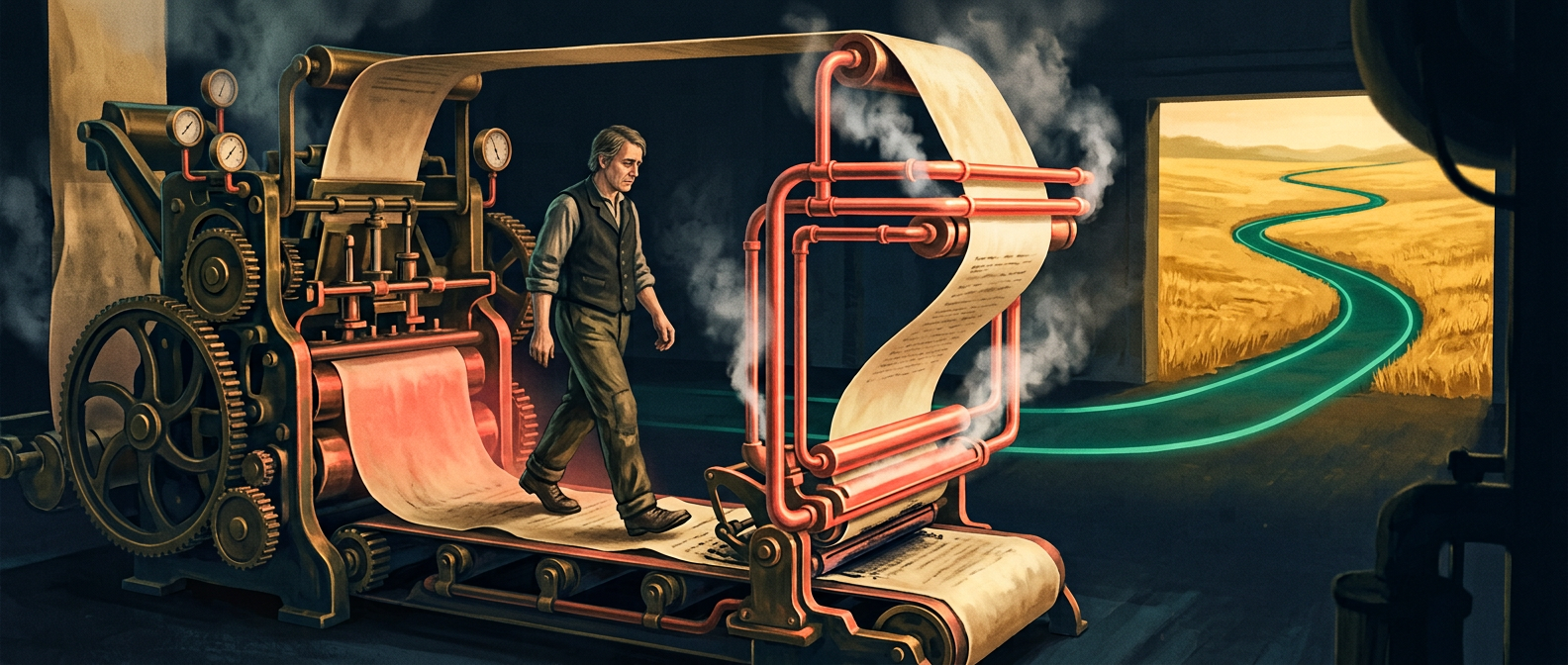
But the answer was never the real threat. The not-knowing was. The only way out of that fog is through it, one small step at a time, with thoda sa himmat borrowed from the part of you that already knows you’ll be okay no matter what comes back.
Uncertainty is not the obstacle to your decisions; it is the cost of making any decision worth making.

Comments (0)
Leave a Reply
No comments yet. Be the first to share your thoughts!