

You spent Saturday doing nothing.
Phone in hand. A show half-watched. The fridge, opened four times. One text, half-typed, then abandoned. The feed, scrolled until it looped.
By five o'clock you were wiped. And you couldn't say why.
Your body was on the couch. Your brain ran a marathon.
Here's why.
You didn't do nothing. You did a different kind of work. Invisible work. Uncredited work. And it drains you just the same.
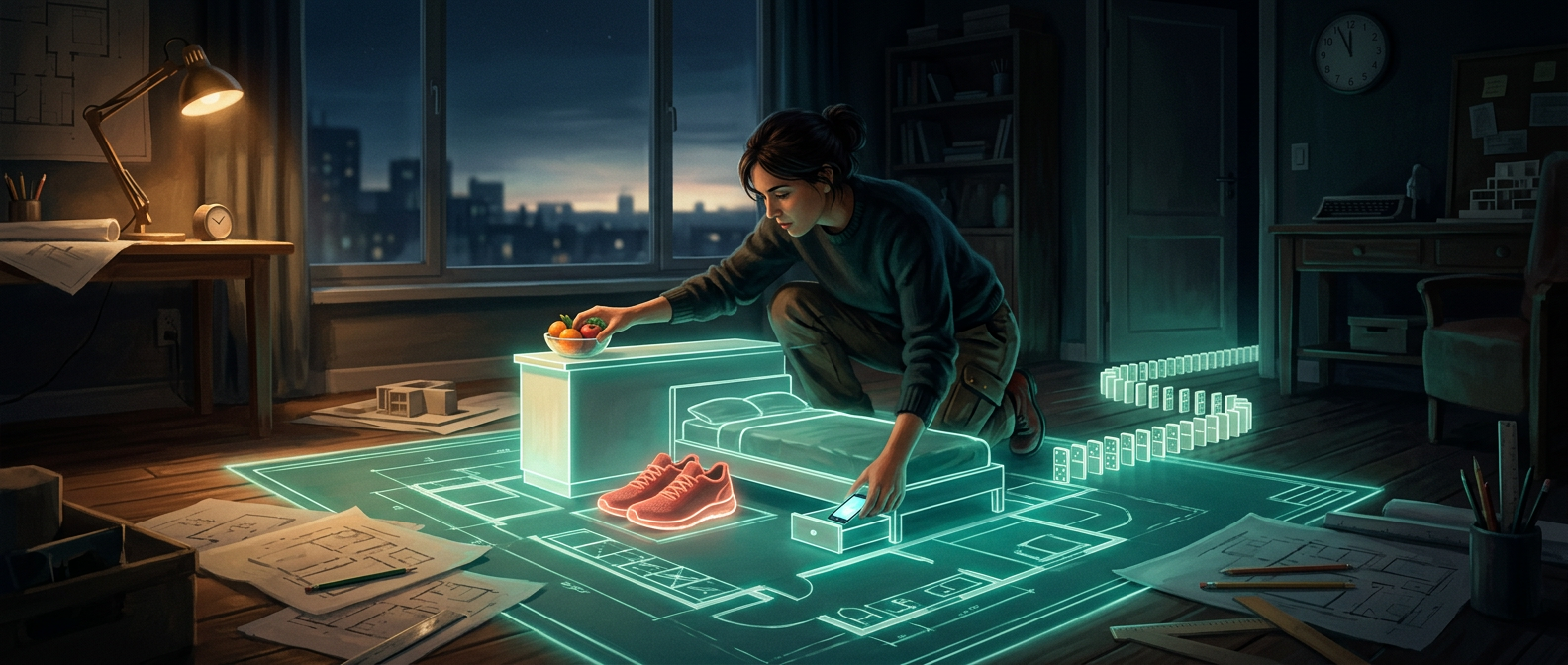
The couch wasn't rest. The couch was a job.

Your body sat still all day. But your body isn't what gets tired.
Your brain gets tired. And your brain never stopped.
Here's the part nobody tells you. Your brain is two percent of your body. But it burns twenty percent of your energy. So even when you're lying flat, the machine is running.
Deciding. Replaying. Switching. Worrying.
That's work. And on Saturday, you did it for eight hours.
So what does “nothing” actually cost? Six things.
1.Your brain never idles
You'd think rest means the brain powers down. It doesn't. It has no off switch. The part that runs when you're “doing nothing” stays lit all day. Doing nothing isn't free. It's just a different program.
2.Small decisions add up
Which video. Which post. Whether to reply. What to eat. Each one is tiny. But each one spends energy from the same place that does your real thinking. A hundred small decisions is a marathon run in steps so small you never saw yourself move.
3.Ruminating is unpaid overtime
Your brain replays things. The awkward thing you said at work? Seventeen times. Each replay feels real. And each one costs you something.
4.Switching has a cost
Every tab. Every message. Every app. Each switch leaves a little of your attention behind. Twenty switches an hour can drain you like a full hour of real work. With nothing to show for it.
5.Low anxiety is a tax
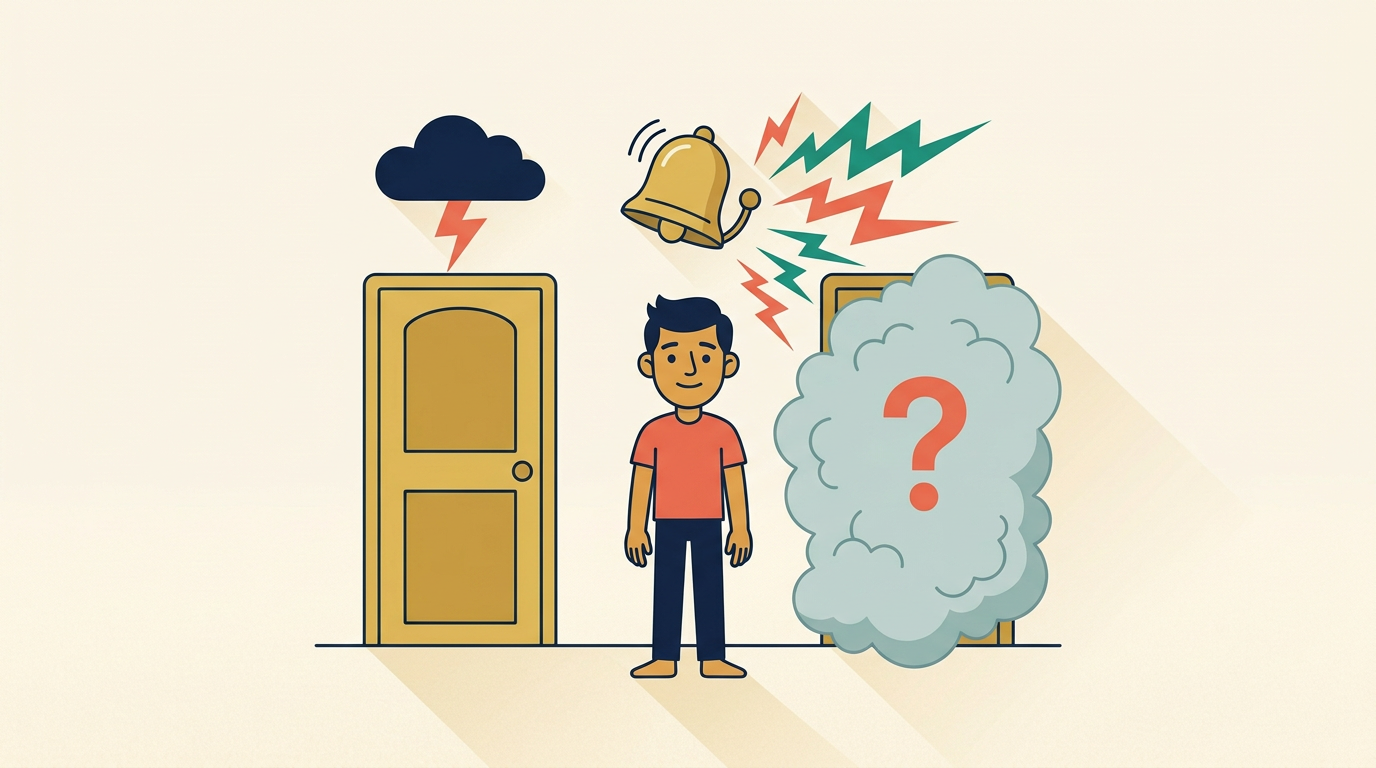
A worried body stays tense. Muscles held. Stress hormones up. Your nervous system hums at thirty percent all day. You stop noticing the hum. But it never stops costing.
6.Boredom is tiring too
This one's the strangest. Your brain wants to be engaged. Starve it, and it gets stressed. That's why lying in bed scrolling can tire you more than a walk. The walk was rest. The scroll was a quiet alarm.

Now look at your Saturday again.
You said you rested. But your brain made hundreds of small decisions. It replayed an awkward moment, again and again. It held a low hum of anxiety for eight hours.
That's not rest. That's a full shift.

The science
And the science backs this up. The part of your brain that decides runs on glucose — and it wears out with use. The part that watches for conflict is just as greedy. And the part that daydreams and replays burns almost as much energy while you rest as while you work.
The result? A day of “nothing” can cost as much as a day of real work.
So what should you do?
Stop tracking what your body did. Start tracking what your brain did.
If your brain worked all day, rest doesn't mean more scrolling. Rest means silence. It means a walk. It means no inputs.


Silence is the only thing your brain doesn't have to process.
Rest is not the absence of activity. It is the absence of demands.

Comments (0)
Leave a Reply
No comments yet. Be the first to share your thoughts!